The candidates’ stand on the issues important to voters
Wisconsin voters will choose party nominees for governor in the Aug. 11, 2026, partisan primary. The race is open after Democratic Gov. Tony Evers decided not to seek a third term. According to reporting from the Milwaukee Journal Sentinel and Wisconsin Public Radio, the primary ballot lists two Republicans and seven Democrats.
Three Democrats who suspended their campaigns after the ballot was finalized in June still appear: former Lt. Gov. Mandela Barnes, Lt. Gov. Sara Rodriguez and former Wisconsin Economic Development Corp. CEO Missy Hughes.
The active candidates are Republicans U.S. Rep. Tom Tiffany and medical services technician Andy Manske, and Democrats state Rep. Francesca Hong, Milwaukee County Executive David Crowley, former Department of Administration Secretary Joel Brennan and state Sen. Kelda Roys. The winners will advance to the Nov. 3 general election.
Republicans
On the Republican side, Tom Tiffany, a congressman representing northern Wisconsin’s 7th Congressional District, is seeking the nomination. According to his campaign website, Tiffany grew up on a dairy farm in western Wisconsin, attended the University of Wisconsin-River Falls and owned a Northwoods cruise business with his wife. He previously served in the state Legislature and has held his congressional seat since 2020.
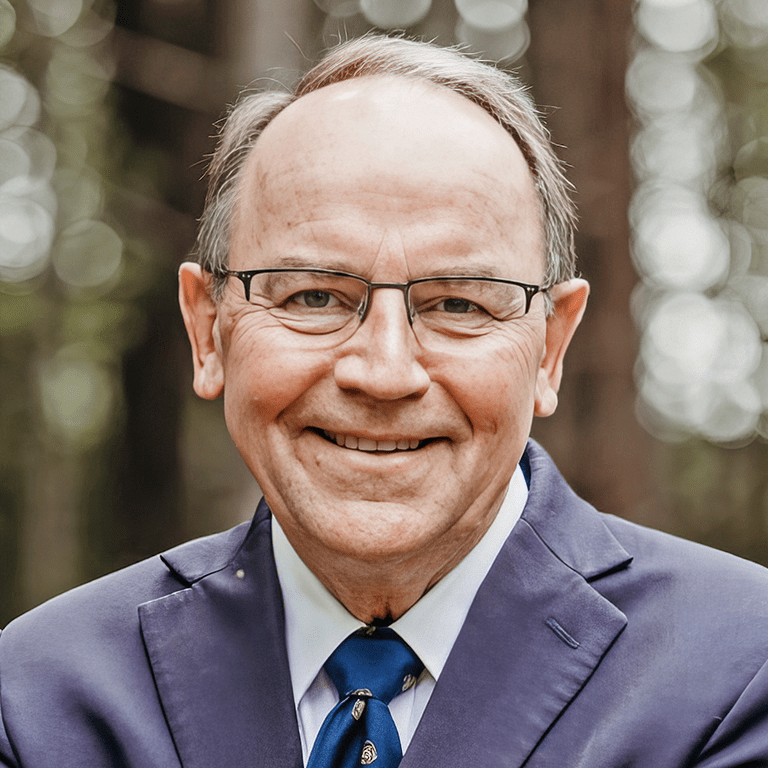
Tiffany has received the endorsement of President Donald Trump and the Republican Party of Wisconsin, according to Milwaukee Journal Sentinel and WisPolitics reporting.
On his campaign website, Tiffany states he will freeze property taxes, repeal what he calls Gov. Evers’ “400-year tax increase,” drive down energy costs by unleashing reliable baseload power, and cut regulations to make housing, childcare and health care more affordable. He says he will ban sanctuary cities, give law enforcement needed resources and end policies that return repeat offenders to the streets.
On education, Tiffany’s website says he will hold school leaders accountable, send education dollars to students, teachers and local communities rather than the system, and ensure students learn reading, writing and math without what he describes as ideological content.
He states he will protect girls’ sports and locker rooms for girls, require able-bodied adults without children to work for welfare benefits, ban foreign governments and corporations from buying Wisconsin farmland, and protect hunters and anglers from license fee increases.
Andy Manske, a medical services technician, is also seeking the Republican nomination. According to his campaign website and a June report in the Milwaukee Journal Sentinel, Manske was born in Milwaukee, raised in the suburb of Franklin, graduated from Milwaukee Area Technical College and the University of Wisconsin-Milwaukee, and works delivering prescriptions and medical equipment across southeastern Wisconsin. He has never held elected office.

On his campaign website, Manske proposes a fixed property tax of $500 to $1,000 after a 30-year mortgage is paid off, along with other reductions for civic involvement. He calls for transparent elections with results that can be verified more quickly, Election Day as a statewide holiday, and limits on mail-in ballots to specific groups.
Manske’s website outlines a government-adjacent secondary health care plan available for a fixed $100 monthly fee to cover remaining costs after primary insurance, available only to citizens. He proposes fees on road construction projects that extend beyond 31 days, changes to investor laws capping ownership at five homes to reduce institutional buying, and designating Ashland, Green Bay, Stevens Point, Appleton, and La Crosse as special development zones with tax relief.
Manske’s website states he is the only candidate calling for an outright ban on data centers, or heavy regulations requiring them to generate their own power, return water at the same temperature, avoid farmland and populated areas, and employ Wisconsin citizens. He proposes using artificial intelligence under human oversight to consolidate state agencies and return savings to taxpayers.
Democrats
On the Democratic side, Francesca Hong, a state representative from Madison, is seeking the nomination. According to her campaign website and Milwaukee Journal Sentinel reporting, Hong was elected to the Assembly in 2020 representing the 76th District, is the first Asian American member of the Wisconsin Legislature, previously worked as a chef and co-owner of a ramen restaurant, and co-founded community food initiatives during the pandemic.

Her campaign website states she is running a people-funded campaign without corporate PAC money.
On policy, according to the website, Hong proposes universal childcare modeled on programs in New Mexico and Vermont with no or low out-of-pocket costs for families, a universal paid leave program covering all workers including the self-employed, and fully funding public schools by creating a new top income tax bracket on income over $1 million and taxing large corporate profits, which she estimates would cut property taxes by up to 44 percent while increasing special education reimbursement.
She supports free school meals for all children, rolling back private school voucher programs, a $20 minimum wage indexed to the cost of living, expanding Medicaid and establishing a public option, cracking down on insurance claim denials, and a one-year moratorium on data center construction.
Hong’s website also calls for zoning reforms to ease affordable housing construction, investment in community land trusts, renter protections including a right to counsel in eviction cases, and measures to protect voting access and limit corporate political spending.
Her self-identification as a democratic socialist has been reported by Wisconsin Public Radio and the Milwaukee Journal Sentinel.
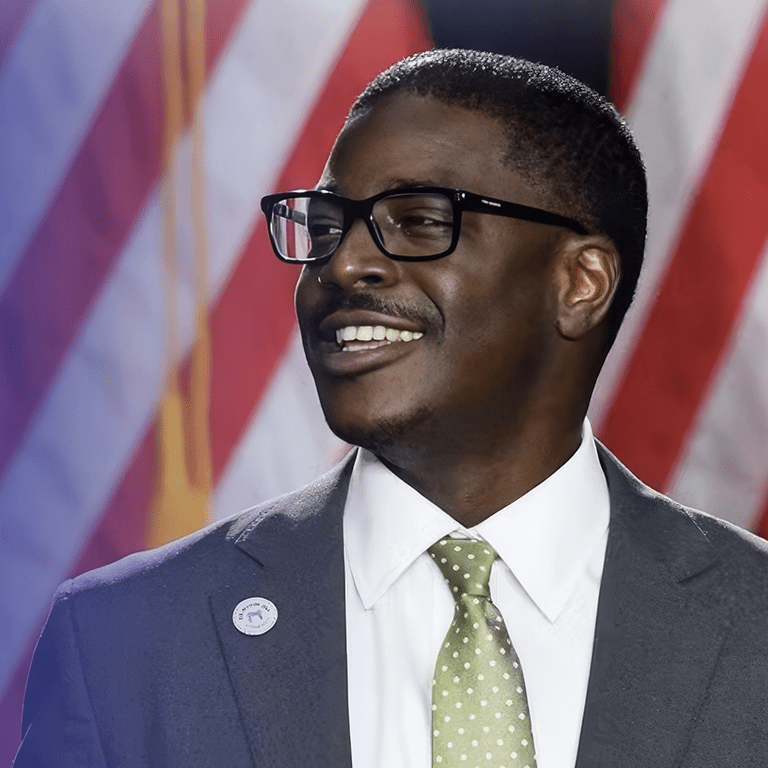
David Crowley, the Milwaukee County executive, is seeking the Democratic nomination. According to his campaign website and reporting from the Milwaukee Journal Sentinel and Wisconsin Examiner, Crowley was first elected county executive in 2020 as the youngest and first African American to hold the post, previously served in the state Legislature, and grew up in Milwaukee. He suspended his campaign in early July and re-entered after Rodriguez withdrew, receiving the endorsement of Gov. Evers, according to the Journal Sentinel.
On his campaign website, Crowley outlines a plan focused on lowering costs for working families through jobs and wages that build futures with local ownership and union labor standards, expanding apprenticeships, supporting small businesses by streamlining permitting and expanding access to capital, and making public investments in housing, health care and climate resilience.
He supports expanding affordable and attainable housing, universal early childhood education, new investments in public schools and closing the special education reimbursement gap, climate action through solar and energy retrofits that create union jobs, closing the broadband gap and expanding transit, revenue reform for local governments, protecting voting rights and nonpartisan redistricting, and making childcare more accessible by raising subsidy rates and supporting providers.
Joel Brennan, former secretary of the Department of Administration under Evers and president of the Greater Milwaukee Committee, is seeking the Democratic nomination. According to his campaign website and reporting from the Wisconsin Examiner and Milwaukee Journal Sentinel, Brennan grew up as one of 11 children in Wisconsin, worked multiple jobs to put himself through college, previously led Discovery World science museum and the Milwaukee Redevelopment Authority, and served as DOA secretary from 2019 to 2022.

On his campaign website, Brennan proposes expanding Medicaid eligibility, creating a state public option allowing buy-in to the state employee health plan, guaranteeing coverage for every Wisconsin child, investing in rural health and growing the health care workforce, banning spread pricing by pharmacy benefit managers and using state purchasing power to lower drug costs.
He supports a permanent childcare funding structure with a refundable tax credit, capping family out-of-pocket costs and expanding Wisconsin Shares eligibility, building 100,000 entry-level homes through WHEDA with shared-equity loans and 3 percent state-backed mortgages, property tax relief for seniors and a tax on corporate investors buying single-family homes as rentals, paid family and medical leave funded by employer and employee contributions, and treating broadband as basic infrastructure.
Brennan’s website states he will fight to repeal the 1849 abortion ban, restore collective bargaining by repealing Act 10 and ending right-to-work, require project labor agreements, protect public lands and restore Knowles-Nelson Stewardship funding, hold polluters accountable for PFAS and other contamination, support right-to-repair for farmers and ban foreign ownership of farmland.
Kelda Roys, a state senator representing the Madison area, is seeking the Democratic nomination. According to her campaign website and reporting from Wisconsin Public Radio and the Milwaukee Journal Sentinel, Roys was born in Marshfield, spent early years in rural Taylor County, previously served in the Assembly, is an attorney and small business owner, and is a mom and stepmom of five. She has been endorsed by the Wisconsin Education Association Council, the state’s largest teachers union, according to WPR.
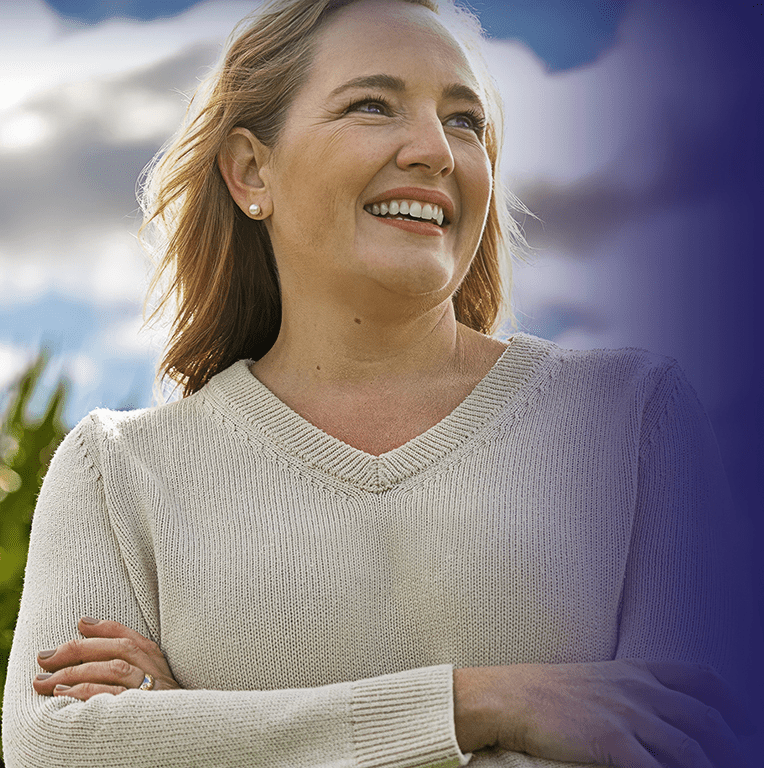
On her campaign website, Roys emphasizes lowering costs and raising wages, affordable health care, housing and childcare, and great public schools. As a legislator, she has worked to expand BadgerCare coverage and pass a bipartisan law increasing access through nurse practitioners, according to the site.
News reports from CBS 58 and WPR indicate she has called for fully funding public schools by ending certain corporate tax breaks, restoring progressive taxes on high earners and using cannabis legalization revenue for early childhood education, ending private school voucher subsidies, raising the minimum wage to $15 an hour with a path to $20, and requiring data centers to make large upfront payments rather than receiving subsidies.
The principal sources used were the candidates’ official campaign websites and reporting from the Milwaukee Journal Sentinel, Wisconsin Public Radio, WisPolitics, Wisconsin Examiner, Isthmus and similar established Wisconsin outlets.
AI assisted in compilation of this story.